PRESS
PRESS

- PRESS
- PRESS
⦁ Worker Wellbeing and Resilience as Key Determinants of Global Industry Sustainability
⦁ Sharing the Role and Challenges of Worker Wellbeing in Global Supply Chains at the Roundtable of Korea
⦁ Call for South Korean Companies to Become Active Partners and Drivers of Long-term Transformation
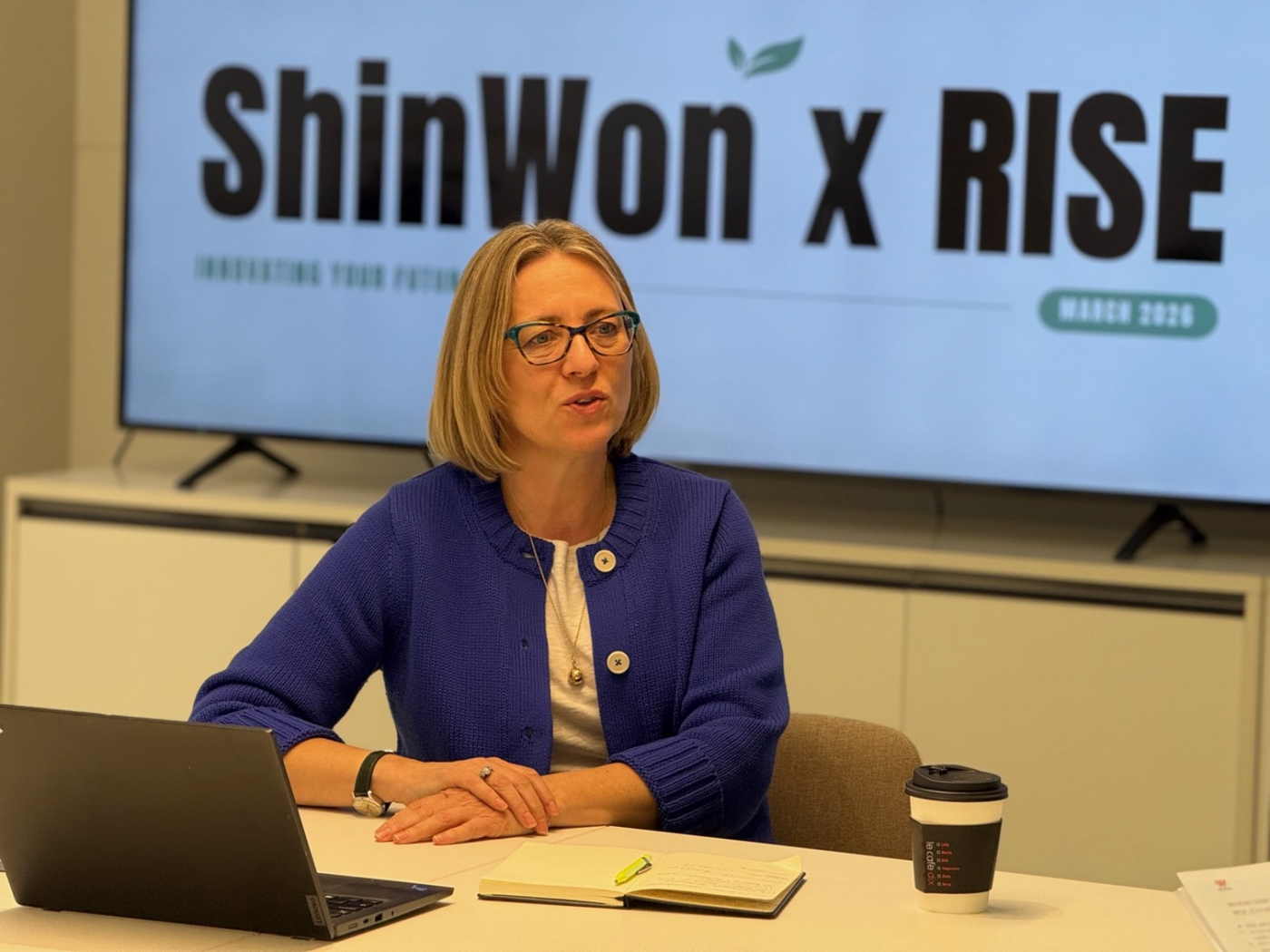
(Seoul, South Korea – March 31st, 2026) – Worker wellbeing is increasingly recognised as a core business priority rather than a matter of brand compliance, as global garment supply chains face mounting structural pressures. The industry, long driven by cost and efficiency, is now reassessing the role of working conditions and quality of life as key determinants of resilience and competitiveness.
During a visit to South Korea in March, Christine Svarer, Executive Director of RISE (Reimagining Industry to Support Equality), met with leaders from major textile and fashion companies to explore both the role and challenges of worker wellbeing across global supply chains.
Speaking at a roundtable hosted by the Korea Federation of Textile Industries on March 26, Svarer challenged traditional industry thinking, stating that treating workers as the cheapest and most replaceable input is no longer viable. She emphasised that people remain the most valuable asset in the garment sector.
With around 60 million people employed globally in the garment and footwear industry, including 45 million in Asia, the scale of the challenge is significant. Persistent issues such as low wages, long working hours and limited opportunities, particularly for women, are now intensified by climate change, technological developments and trade volatility. According to Svarer, the growing intensity of these pressures has strengthened recognition that worker wellbeing is directly linked to long-term supply chain performance.
RISE, founded in 2023 through a collaboration between BSR’s HERproject, Gap Inc.’s P.A.C.E., CARE and Better Work, aims to drive systemic change by bringing together workers, companies and policymakers. The initiative has already reached more than one million workers across ten countries, placing a strong focus on women while extending benefits across entire workforces and communities.
One example of progress highlighted during the visit is the shift from cash to digital wage payments. This transition enables workers to better manage their finances while improving operational efficiency for manufacturers. Reported outcomes include efficiency gains of at least 50%, reduced staff turnover, improved productivity and stronger trust between workers and management.
Svarer outlined three interconnected priorities for the future: financial health, safe and respectful workplaces and climate resilience. She stressed that achieving progress requires an integrated approach across all three areas.
South Korea is emerging as an important partner in advancing worker wellbeing, with its major apparel manufacturers operating extensive global production networks across Asia and Central America. These companies employ hundreds of thousands, and in some cases millions, of workers.
The growing influence of Asian manufacturers represents a shift in global supply chain dynamics. Svarer described this as a critical moment for regional business leaders to take a more active role in shaping industry priorities, moving beyond production capacity towards people-centred operational models.
ShinWon Corporation, a leading South Korean apparel manufacturer, exemplifies this shift. The company operates 25 entities across ten countries, including Guatemala, Vietnam and Indonesia, employing more than 30,000 people worldwide. It serves on the RISE steering board, contributing to decision-making processes and representing the perspective of global manufacturers.
Svarer noted that supplier voices have historically been underrepresented in industry discussions, and that including manufacturers brings practical insight from those directly responsible for factory operations and workforce management.
With its vertically integrated production model, ShinWon is also able to extend worker wellbeing initiatives beyond tier-one factories into earlier stages of the supply chain. Its Social Compliance programme focuses on women’s empowerment through financial literacy education and savings support, helping workers build more stable and sustainable livelihoods.
This approach demonstrates how worker wellbeing can be directly linked to productivity and long-term business resilience. As labour expectations evolve and supply chains become more complex, companies that proactively invest in their workforce are likely to be better positioned for future competitiveness.
The global textile industry publication TextilesResources.com has also featured this story. Read the full article: RISE Highlights opportunity for South Korean business leadership to accelerate worker wellbeing across global garment supply chains